Coffee—all of it; making it, drinking it, being caffeinated—is your favorite part of the day, right?
Ours, too.
What if we could make that experience even better?
In our last post, we passed along some guidance from Chi Sum Ngai, who was a guest on a recent episode of The Wirecutter Show, a New York Times podcast, about how use flavor profiles to become more adventurous with your coffee drinking.
We’re sharing more of her sage advice below, some of which bucks widely held ideas about how a discerning coffee drinker should be approaching their daily brew. But trust us; there’s genuine wisdom in her words.
Yes, you need to grind your own beans
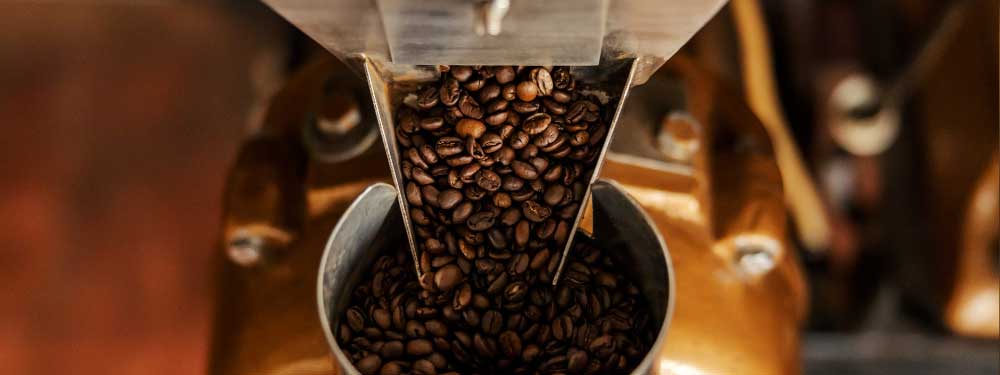
If you aren’t already, buy whole beans and invest in a quality burr grinder.
Yes, a grinder isn’t cheap. Expect to spend somewhere between $100 and $300. And you’re going to need to do some basic maintenance every few weeks to keep it operating as it’s intended to. But it will open a world of possibilities for you.
You’ve probably heard that coffee goes stale fairly quickly once it’s ground. That’s true. But Ngai says that an even bigger issue with pre-ground coffee is that it locks you into a particular brewing method—typically, a drip coffeemaker, because it’s the most common. Different brewing methods, after all, require different degrees of grinding, some a little coarser, some a little finer. And each method can unlock new aspects of a roast’s flavor profile.
So, start experimenting and learn which speaks to you.
‘Freshly roasted coffee’ isn’t all it’s made out to be
Before you buy your coffee, note the roast date that will be listed somewhere on the package.
We spend a lot of time hyping up freshly roasted coffee, but you don’t actually want to be drinking coffee that was just roasted, Ngai says. This is because coffee needs a few days to “rest” after it’s roasted in order for the flavors unlocked by the process to fully manifest.
Without it, Ngai says the coffee can taste smoky or even like… “roast beef.”
How long should you wait? “Ideally, seven days” from the roast date, Ngai says. And if it’s a light roast, it wouldn’t hurt to give it even a few more days because light roasts, she says, tend to need a longer rest period than dark roasts.
If you’re buying online, don’t worry about missing out on the opportunity to check the date beforehand. Even if your coffee ships the same day it’s roasted, it’s still likely going to take a few days to reach you.
No one said you need to commit to a type of roast
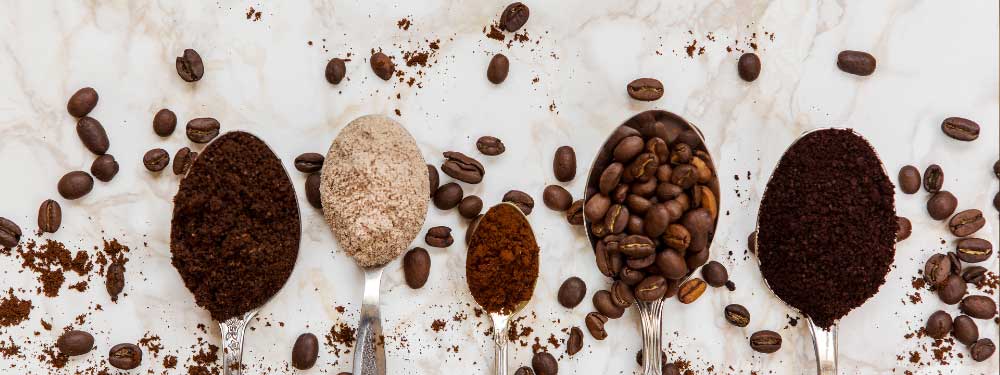
Finally, when it comes to which type of roast—light, medium, or dark—is the best fit for you, Ngai recommends experimenting, largely because one coffee roaster’s light roast is another’s medium roast. In other words, there are so many variables in the equation, between the roasting process and the bean itself, that flavors can vary significantly.
That said, light roasts, she says, generally have the most floral and fruit notes, while medium roasts can conjure hints of brown sugar and vanilla. And dark roasts often feature flavors like caramel, roasted hazelnut, and dark chocolate. It should never taste bitter or burnt. Those are indications of a roast gone awry.
There are a ton of roasters out there hoping you’ll discover one of their roasts. Drink deeply and stay noncommittal. That’s how you begin to savor every cup.