Wait, what? Espresso is not the same as coffee?
But I’ve bought a bag of espresso roast and brewed it the same as other coffee roasts.
While coffee and espresso come from the same place, the humble coffee bean, there are some important distinctions that discerning coffee drinkers should be aware of.
Espresso roasts are not a thing
Feel free to take a beat if you’re still processing that last sentence.
But coffee and espresso taste so different. And the caffeination; espresso is so much more caffeinated.
True and true. Although, that has everything to do with the way that espresso is made and nothing to do with the bean it originates from.
There are two kinds of coffee beans that are grown commercially: Arabica and Robusta. Robusta beans generally have a nutty flavor once they’re roasted; their taste is often compared to oatmeal. The Arabica bean’s flavor profile isn’t as easily defined. Depending on its variety, an Arabica bean can taste sweet or tangy or somewhere in between. Once roasted, Arabica beans typically have a sweet and floral flavor.
All of this is to say that coffee can be made from Arabica or Robusta beans. And so can espresso.
Where they separate is the processes through which they’re made.
There are lots of ways to make coffee: French press, drip, and pour-over, for starters. However, there’s really only one way to make espresso: with an espresso machine. (Yes, you can make espresso without an espresso machine, but these are imperfect solutions.)
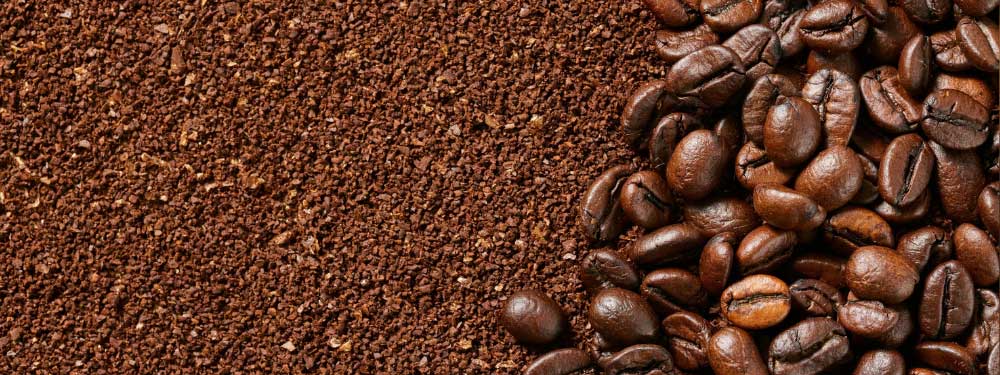
If you’ve ever bought espresso-roasted beans, you probably noticed that they were fairly dark. This is a misnomer, though. The truth is, you can make espresso with any type of bean roasted any kind of way. But to brew espresso for the correct amount of time and with the appropriate amount of pressure (130.5 PSI), the beans need to be ground to nearly the same consistency as powder.
The grinding and application of said pressure are where espresso machines shine brightest.
A note about caffeine
In the end, espresso simply refers to the name of the drink—a full-bodied drink—not a specific kind of bean or roast.
As for the difference in caffeine, it’s another misnomer that espresso is more potent than coffee.
Sure, espresso has a higher concentration of caffeine per ounce, which is probably where the confusion comes from, but there’s less caffeine in a shot of espresso (40 to 75mg) than there is in an eight-ounce cup of coffee (85 to 185mg). Obviously, this math changes with multiple shots, but that’s between you and your barista.