
We’re feeling grateful for the positive response to our recent posts about small tweaks that can have an outsize impact on your coffee-drinking experience. It made us think we’re on to something. So here are some more ideas.
Time is not on your side
Coffee packaging has come a long way in recent years, but it still has its limits.
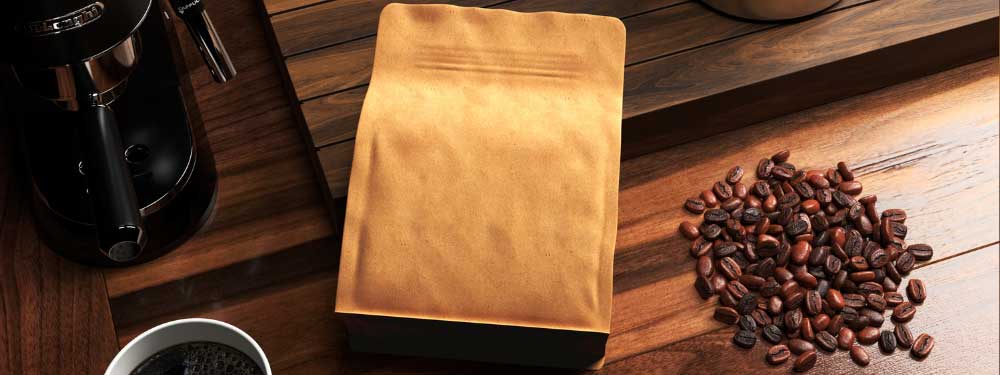
When coffee is exposed to oxygen, it causes the coffee to oxidize. This means that it causes the coffee’s oils to turn rancid, which will break down its flavor complexity and degrade its aromatic compounds, leaving you with coffee that tastes perhaps bitter and certainly stale and flat.
That’s the bad news. The good news is that there are ways to mostly avoid this. For starters, once you pop open a bag of beans, aim to use them within two weeks. During that time, store the coffee in an airtight, opaque container. (Opaque because UV light can have the same effect as oxygen.) And grind your beans on an as-needed basis. Ground coffee exposes more surface area to oxygen, so your coffee will go stale in minutes rather than days.
Let’s finally squash this relentless rumor here and now: Storing your coffee in the fridge will not help your cause. That’s because your refrigerator’s compressor is designed to suck moisture from the air, a process that will make your beans go stale that much faster.
Coffee beans are also porous, which is a great asset during roasting. But in a fridge, it makes them susceptible to absorbing every aroma wafting around in there.
Brew with cold, filtered water
Next, use cold, filtered water to make your coffee.
You may be thinking, Water is water, and you wouldn’t be wrong. But we’re striving for a higher standard. Coffee is, after all, 99 percent water, making its purity essential to that near-perfect (nothing is perfect) cup of coffee you’re chasing.
Filtered water removes chlorine and barely perceptible impurities in tap water that can mask delicate aromas, leading to flat or bitter tastes. Even more, hard water—water containing high levels of dissolved minerals, namely calcium and magnesium—can cause mineral buildup in your machine, which can lead to clogs and expensive repairs.
Why does the water need to be cold too? Because it ensures a neutral baseline for heating, which helps keep brewing temperatures stable. And while oxygen is generally the enemy of coffee, here you want your water to be as oxygen-rich as possible, and cold water contains more oxygen.
Precision is the difference between good and great
Finally, measure your coffee with a scale. This, we know, is likely to elicit some eye rolling. And that’s fine. But the reality is that brewing coffee is essentially following a recipe, and a chef will tell you that precision is critical to an exceptional outcome.
A scale simply removes the guesswork, accounting for varying bean densities and roast levels and ensuring a consistent, balanced cup of coffee each and every time. And you can buy one for 25 bucks, an investment that will likely pay for itself within a month or two when you consider all the precious coffee beans it’ll prevent you from wasting.