
So you’re curious about matcha. It’s easy to imagine how you arrived here. Overnight, your grocery store began stocking it and coffee shops everywhere added it to their menu. At least it seemed that way.
A staple of traditional Japanese tea ceremonies (Sadō), matcha has gone mainstream in recent years thanks to a laundry list of purported health benefits and a whole lot of social media buzz. Which begs the question, does matcha live up to the hype?
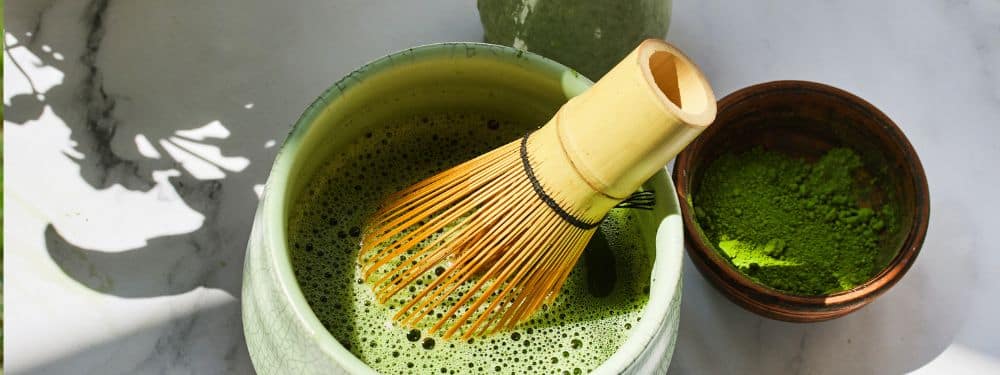
What to expect
First, it’s important to understand that not all matcha tastes the same. The highest quality matcha—referred to as “ceremonial grade”—comes from Japan, particularly the southern half of the country.
What distinguishes it from how other green teas are grown is that the tea bushes are covered for several days to weeks prior to harvest to shade them from the sunlight. This boosts the bushes’ chlorophyll and amino acid levels. Once harvested, the leaves are air-dried then milled into a fine powder. This powder can then be whisked with hot water or steamed milk.
It’s a laborious process, and that’s why matcha is often noticeably more expensive than other green teas.
Typically, ceremonial grade matcha—which is made from the youngest, most delicate tea leaves—is whisked with just hot water. It will taste naturally sweet and pleasantly vegetal (like a fresh salad). Some even note a distinct umami quality in the aftertaste. It will also be free of any bitterness. Bad quality matcha, on the other hand, will taste deeply bitter.
The variety you’ll encounter in most coffee shops is known as “standard grade” or “premium grade.” It will taste more vegetal than the high-end stuff. It will also be bitterer. Incorporating it into a latte usually tamps down that effect, whereas drinking it plain, with just hot water, can amplify it.
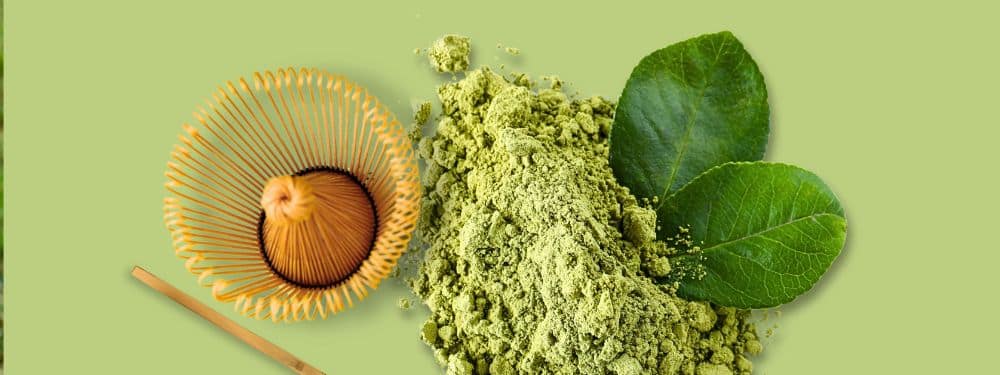
Why people love Matcha
Not to imply that its flavor profile is unimportant, but matcha is, foremost, an “antioxidant powerhouse with serious health benefits,” as one reporter described it.
A 2022 study confirmed that matcha contains at least three times as much epigallocatechin gallate (EGCG), the signature green tea antioxidant, than was previously accepted. Consuming more of this antioxidant has been linked to improved brain function, reduced blood pressure, positive changes in cholesterol numbers, and increased bone strength.
Researchers are also exploring the possibility that the combination of EGCG and caffeine in matcha could turbocharge our fat-burning engines during exercise.
While matcha contains about half as much caffeine as coffee, it’s come to be thought of as a calm inducer. And it’s this quality that seems to hold the most appeal for those curious about matcha, like yourself. People searching for help with cutting back on their daily coffee intake, or maybe even looking for an outright replacement because coffee makes them feel jittery.
Matcha holds this special power because it’s rich in L-theanine, an amino acid that’s thought to enhance a sense of calm. This unique ability to both calm and stimulate simultaneously is one of many reasons why you’re likely to see more, not less, of matcha in the near future.