
For many of us, drinking coffee is a ritual. The attention to the origin of the beans and how they’re roasted. The precise brewing process you could (and usually do) perform half-awake. The way you savor those first couple of sips, as though they were the lone reason you climbed out of bed.
Interestingly, tea rewards the same kind of curiosity and attention to detail.
Relax. We’re not implying you should replace your daily coffee(s) with tea. We’re merely suggesting that an occasional cup of tea in the afternoon or evening could be the ideal complement to your love of coffee. Here’s why.
The basics of brewing loose leaf tea
We’ll suggest some types of tea that could align with your coffee preferences. But first, let’s talk about how you’re going to make that tea, because, let’s be honest, you care too much about quality to ever reach for a teabag.
This is a quick primer in how to brew loose leaf tea.
Like coffee, the quality of the water matters when brewing tea. But where you want near-boiling water for coffee, tea demands precision temperature control that varies by type. As one tea blogger wrote, “Consider temperature they way you’d consider grind size for coffee: essential and non-negotiable for optimal extraction.”
Generally, black teas can be made with boiling water, but anything over 175 degrees Fahrenheit will likely turn green teas bitter. Oolong teas fall somewhere in between, brewing best with water heated to 190 to 200 degrees Fahrenheit.
Brewing time is another critical difference. Coffee extraction happens in seconds or minutes depending on the method, while tea steeping ranges from two minutes for delicate green teas to five minutes for hearty black teas. Each variety has its optimal range, but over-steeped tea simply becomes stronger.
More good news: The initial investment is minimal. A simple infuser, a kettle with a thermometer, and the stopwatch on your phone are all you’ll need. Of course, there will be plenty of opportunities to spend more once your interest grows.
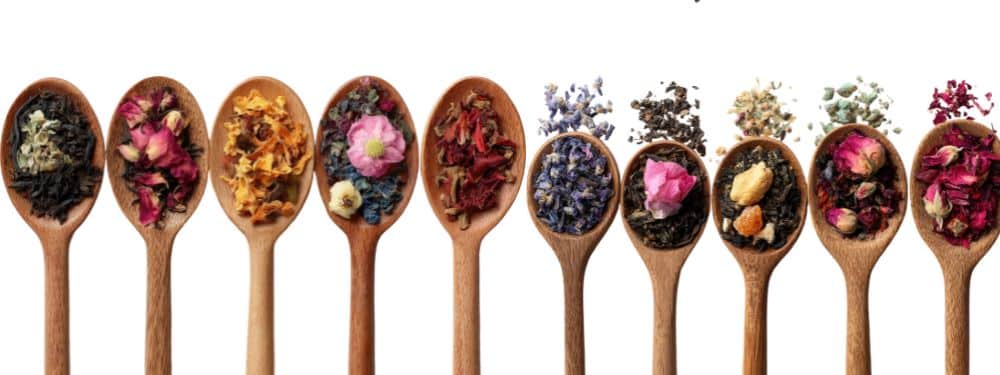
What kind of tea to try first
Now let’s talk about what you should drink first.
A breakfast tea (English, Irish, or Scottish) is a logical entry point for most coffee drinkers because its strength and complexity are similar to that of a dark roast coffee. Assam, a black tea grown in northeastern India, is also bold and full-bodied.
If you favor the bright, citrusy coffees of East Africa, try the Ceylon teas from Sri Lanka’s high-altitude gardens.
Oolong teas are known for their complexity. Think layers of flavor in each sip. The floral and earthy flavors of some oolongs tend to benefit from a splash of whole milk. Note that said milk, not cream. Cream’s high fat content drowns out the flavor of most teas, leaving them tasting diluted.
If you’ve been on an iced coffee kick, you’ll be happy to know that almost every kind of tea can be made into iced tea. Black tea never fails, especially with lemon or mint. And a glass of iced green or oolong tea is about as refreshing as it gets.
Now, be brave and brew some delicious tea.