Eventually, every one of us peers down the rabbit hole.
That first sip—like, your first sip ever—could be (and usually is) positively atrocious, but we have nothing to compare it to. It doesn’t take long, however, to gain an appreciation for really good coffee. And that’s when the tinkering at home begins.
A brief search online reveals you could spend thousands trying to do what your favorite café seems to do effortlessly. At which point, you wonder, as we all do, if you could be happy settling for the perfectly meh coffee you’re brewing at home with your current setup.
Here’s the thing: It doesn’t need to be all or nothing. Yes, unequivocally, the equipment matters. But certain pieces matter a lot more than others.
Switch to a burr grinder. Now!
At the very top of this list is the humble burr grinder—which, ironically, is the one piece of equipment that almost everyone opts to skimp on. It’s been said that an experienced barista will consistently make a better cup of coffee with a professional-grade grinder and a budget-friendly manual dripper than someone using a $400 machine and a blade grinder. And yet, the machine is almost always the first big upgrade for a home kitchen.
Think of it this way: A blade grinder produces a mix of powder and kernels, whereas a burr grinder produces consistent particles. The powder will over-extract and leave your coffee tasting bitter, while the kernels will under-extract, leaving the coffee thin. This is why coffee ground with a blade grinder usually tastes bitter and weak.
Put more simply, the grinder is the single piece of equipment that does the most work for your cup of coffee. Everything else—kettle, scale, filter, brewing vessel—matters, but they’re just not going to have the same effect that a grinder does.
If you’re using a blade grinder, buy a hand grinder for less than $100. You’ll immediately appreciate the difference. In time, you’ll want to invest in a quality electric burr grinder, like the Baratza Encore ESP, which goes for $200. A good hand grinder will punch above its weight—and improve your at-home coffee by leaps and bounds—but there’s no denying the power of an electric burr grinder like this one. The grind is even more precise, and your cup of coffee will taste that much cleaner because of it.
One big, glaring exception
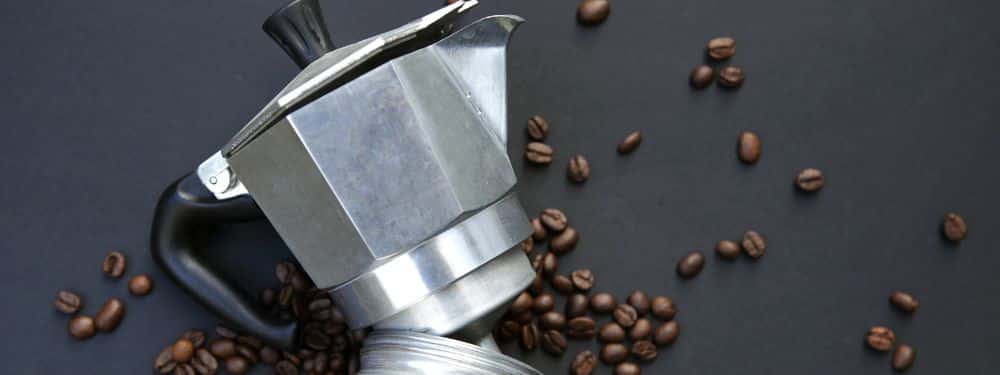
There is a glaring exception to investing in the right pieces, one piece at a time. And that is the espresso machine. If you want to make café-quality espresso at home, there’s no getting around the fact that you’re going to have to shell out for a café-quality setup, which will include a single-boiler ($500) or dual-boiler machine ($1,500 to $3,000) and a dedicated espresso grinder ($500 to $1,500).
Sure, you could spend a lot less, but it’ll ultimately fill you with regret. To get the kind of espresso you’re pining for, you need incredible, precise pressure to force water through a compressed puck of ground coffee. And that, unfortunately, comes with a steep price tag.
The beans trump everything else
What can get lost in a lot of these conversations about equipment is that brewing is half the equation. The other half is the coffee itself. You can spend hundreds, or even thousands, on your setup, but if you’re not particular about your beans, you’re wasting your money and time.
Start small. Buy a hand grinder. Then spend as much as you can on a bag of coffee beans. Live in that happy place for a while before you begin considering your next upgrade. After all, life is hard. Making coffee should be simple.