
The question we intended to ask in this post is, “Is Freshly Ground Coffee Really Worth the Trouble?” However, our editor thought that sounded a little … jaded, so we softened it. But our point remains the same: Do we really need to be troubling ourselves with grinding our coffee on top of everything else we have to do each morning?
The market research says we buy pre-ground coffee for an assortment of reasons. Some of us are total novices when it comes to at-home brewing. Others need the convenience of it to survive the morning chaos. Regardless, we all eventually reach a crossroads: stay the course or grind your beans.
Yes, we made grinding sound like the equivalent of folding two massive loads of laundry when it is in fact nothing like that. Really, buying a grinder is probably the hardest part of the process. After that, you’re pretty much just pushing a button. But it’s the principle! Why should you have to change when things seem to be going so well?
Because they could be even better.
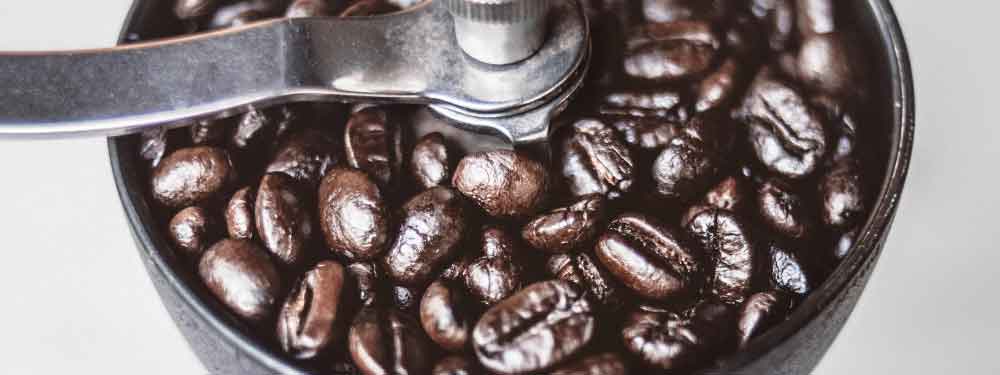
Why you should be grinding your beans
We grind coffee beans in order to access their cellular structure and increase their surface area. This combination of actions makes it easier to extract their delicate aroma compounds and flavors.
But there’s a catch: Ground coffee goes stale rather quickly. Freshly ground coffee begins to lose its peak flavor and aroma within 20 to 30 minutes. The grinding exposes the coffee’s oils and compounds to oxygen, accelerating oxidation and the escape of carbon dioxide.
No, you probably haven’t been drinking stale coffee all this time. In an airtight bag, pre-ground coffee will be good for three to five months after the roast date. And after the bag’s been opened, the flavors and aromas will remain intact for nearly two weeks, as long as it’s stored in a cool place.
This rapid degradation is why you should grind your beans right before you use them. Some people won’t like that kind of pressure first thing in the morning, and we can appreciate that. It’s why this discussion endures when grinding is so clearly the superior option.
Aside from achieving peak flavors and aroma, grinding your beans also gives you far greater flexibility with different brewing methods and machines because you can grind them to your desired degree of coarseness. If you’ve ever tried to make espresso with pre-ground coffee, you know how critical that is. Espresso machines demand finely ground coffee—which pre-ground coffee often is not. That’s how you wound up with that thin, watery, under-extracted shot.
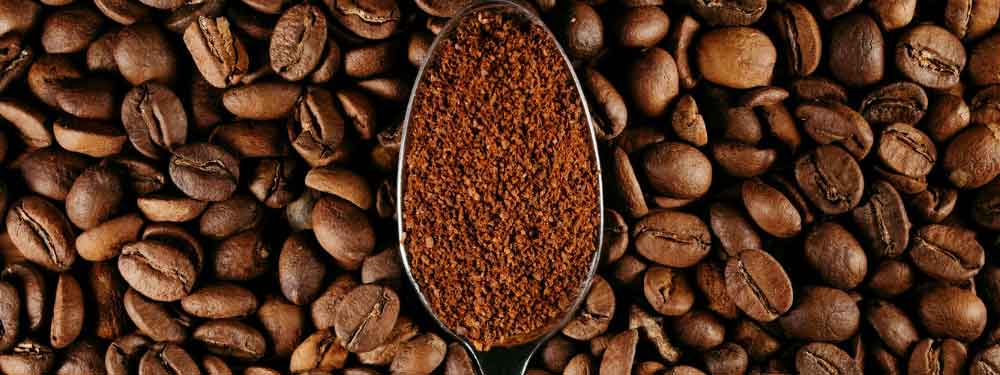
How to grind your beans
So, yes, freshly ground coffee is worth it. With that decided, here are some tips for how to do it well:
- Invest in a burr grinder. It’s the gold standard for grinding coffee beans at home. A quality one will run you around $100.
- Clean it regularly. We know, we know. Another item for the to-do list. But a little maintenance—once a month, say—will go a long way toward ensuring your grinder lasts and churns out consistent, quality grounds every morning.
- Grind the exact amount of coffee you plan to brew immediately. This, along with the grind size, will entail some experimentation. But once you find the right amount, you won’t have to think about it anymore. Nor will you waste any more coffee.