
The gas pump was the first place many of us directly felt the effects of the ongoing conflicts in the Middle East, which began in earnest on February 28 when the United States and Israel launched joint military strikes against Iran. In the weeks since, the closure of the Strait of Hormuz, a narrow waterway that links the Persian Gulf with the Gulf of Oman, has interrupted supply chains and influenced the pricing of many major goods—which, inevitably, will trickle down to consumers.
This will include coffee, if it hasn’t already at the time you’re reading this. As we saw last year with President Trump’s sweeping tariffs, many of which were ruled illegal by the US Supreme Court in February, coffee is highly vulnerable to geopolitical instability.
In this instance, coffee importers and roasters are not as concerned about the coffee itself as they are the price of oil and oil shortages. This is because very little coffee passes through the Strait of Hormuz. However, as much as a fifth of the world’s crude oil and natural liquefied gas is transported along the channel.
Even as much of the world shifts to renewable energy sources, oil remains the world’s most important source of energy. It’s the primary fuel for global transportation, a critical ingredient in thousands of products, including fertilizers and pesticides, and a major driver of logistics costs.
In other words, almost every industry is influenced by the price of oil.
Costs increase all along the supply chain
That’s just one of the factors to consider here, albeit a massive one.
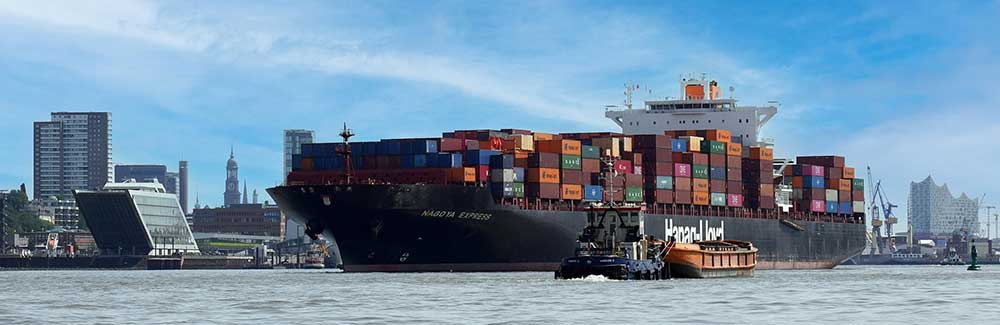
The longer the Strait of Hormuz remains closed or in limbo, the more shipping vessels will avoid it and reroute through the Cape of Good Hope, which could result in shipping delays of up to a month. Again, this won’t have as much of an effect on coffee as it will on other commodities because so little coffee passes through the Strait of Hormuz. But experts are expecting the freight industry to raise prices because its fuel and insurance costs have suddenly increased, and this will likely influence the price of coffee.
Coffee growers in Vietnam and other countries with shipping routes close to Iran, Lebanon, and Israel, where daily military strikes remain a concern, are already seeing war risk premiums applied.
Higher fertilizer costs will also become a problem for almost every grower across the agriculture industry. The most recent precedent was in 2022, when the price of natural gas skyrocketed. Fertilizer costs were impacted immediately and took a long time to stabilize.
As we saw with the tariffs, not everyone along the supply chain will experience these strains in the same way. Larger traders and roasters will be better equipped to absorb disruptions and spikes in expenses, while smaller producers with much less wiggle room may struggle.
Reason to be optimistic
But everyone, so far, has been optimistic that the collective impact of all of the above on coffee prices will be minimal. And that’s because strategists are predicting bumper crops for the upcoming harvest. One forecast says 2026-27 global coffee production will reach an all-time high. It would also be the first significant coffee surplus in five years.
For now, this sunny outlook is easing scarcity concerns and tamping down any market volatility. But it seems inevitable that the increasing costs across the supply chain will eventually reach you too, loyal coffee drinker.