It’s easy to drink coffee every day and still feel mystified by so much of coffee culture. Not actually knowing what’s meant by a light, medium, or dark roast is one of the most common examples cited by faithful coffee drinkers who say they tend to feel like outsiders. So let’s break it down.
What happens during roasting?
Roasting removes the moisture from raw coffee beans, which enables the beans’ natural sugars to caramelize. This is when the flavor begins to develop.
Once the beans reach around 400 degrees Fahrenheit, they’ll start to expand, making a popping sound in the process. This is known as the “first crack,” and it’s the point at which the beans begin to turn brown and the sugars start to caramelize. For a light roast, this may be the end of the line.
Around 450 degrees Fahrenheit, a “second crack” will occur. The popping, this time around, is even more intense. The second crack is a sign the beans are beginning to break down on a cellular level, releasing gases and oils that are trapped inside.
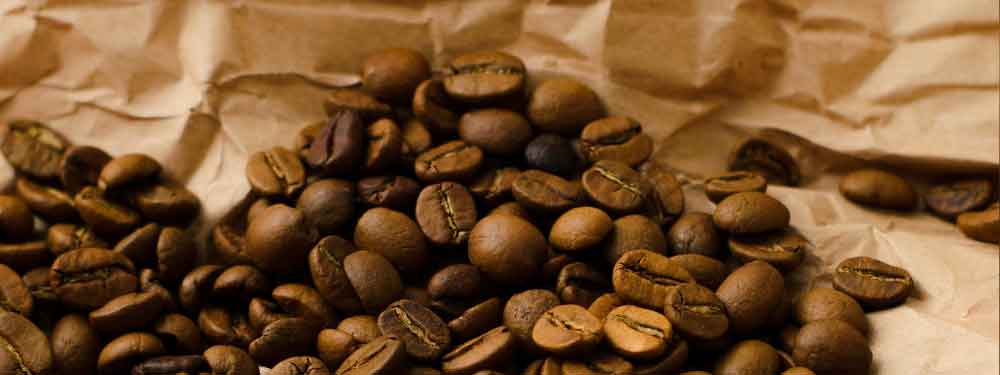
Between the first and second cracks, the physical and chemical changes to the beans happen quickly. Medium roast beans are pulled from the roaster at some point during this period. Once the second crack starts, the transformation only accelerates. Dark roast beans are typically plucked from the roaster mid-second crack. Wait beyond that point and you run the risk of scalding the beans.
Which begs the question: Are there industry standards for the different roasts? No. While there are reasons why standardization would make a lot of sense, it could also tamp down a lot of the artistry that’s involved in roasting coffee. No two light roasts taste the same. Sure, there are lots of reasons for that, but one of the biggest ones is that every roaster does things a little differently. And we’re better off for it.
A cheat sheet for flavor profiles
That said, we’re going to do some generalizing in the name of setting some basic expectations.
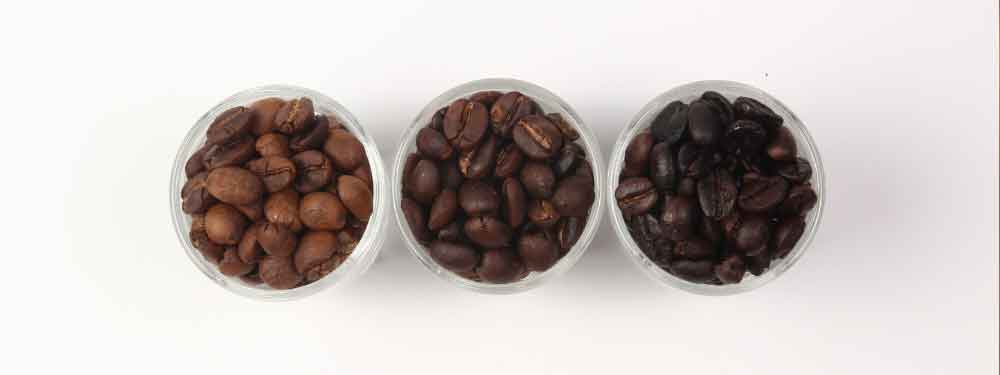
Let’s start with light roasts. These beans are roasted for the shortest period (10 to 11 minutes), so they have the highest acidity. They’ve also retained a lot of their inherent flavors, which tend to be fruit forward and citrusy, with underlying notes of white tea or honey. Pour-over brewing will lure them out even further.
Medium roasts have roasted for a bit longer (12 to 13 minutes), which lends the beans a smoother, less-acidic taste. There are still hints of their natural character, but the most prominent flavors are milk chocolate, brown sugar, nuts, and baking spices. Medium roasts tend to go well with a French press.
Finally: dark roasts. They’re roasted the longest, at 14 to 16 minutes, and have the least acidity. Dark roasts are full-bodied and robust. Think dark chocolate, toasted nuts, caramel, and a smoky undertone. Again, reach for a French press here. Or, if you’re feeling bold, an espresso machine.
As you probably realized long ago, there’s no right or wrong choice. But knowledge is power, and now you can act accordingly.